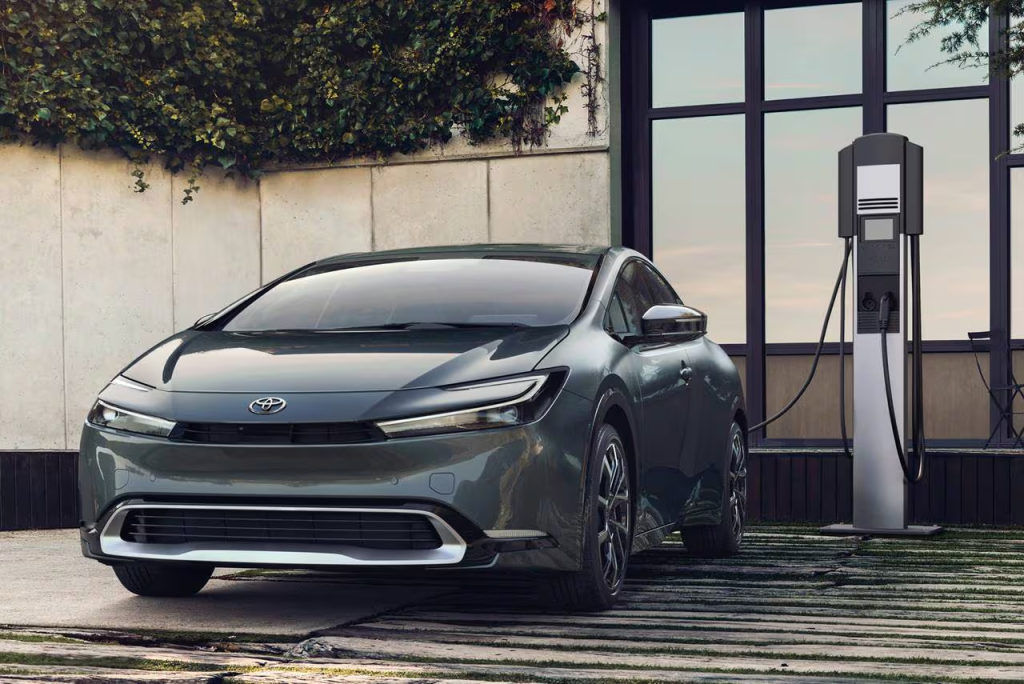
Image Source: Edmunds
Why PHEVs Are Surging in Popularity
Plug in hybrids are becoming one of Australia’s fastest rising choices for employees exploring salary packaged cars in 2026. They offer a balanced mix of electric efficiency and petrol powered confidence, creating an ideal bridge for drivers who want sustainable motoring without fully committing to a battery electric vehicle. This is especially appealing to commuters and families who want cleaner travel but still enjoy the freedom of long distance flexibility.
More Australians are discovering that PHEVs fit comfortably within a novated lease. Drivers receive the benefits of electric motoring for everyday trips while retaining a petrol reserve for longer journeys. This balance gives drivers confidence as they transition into a cleaner mobility lifestyle.
Why PHEVs Work Well for Salary Packaging
The Flexibility Drivers Want
Unlike traditional hybrids, PHEVs can run entirely on electric power for daily errands and short commutes. This makes them highly fuel efficient and ideal for employees who want to reduce running costs without depending entirely on public charging infrastructure. When paired with salary packaging, this flexibility becomes even more attractive because it supports a predictable, low cost driving profile.
How PHEVs Perform in a Novated Lease
Cost planning is one of the biggest reasons PHEVs are rising in salary packaging popularity. When employees use the novated lease calculator to compare PHEVs with traditional petrol vehicles, the numbers often reveal strong long term value. PHEVs typically require less fuel, experience smoother wear and offer consistent running costs that feel predictable and easy to manage.
How Tax and Incentives Influence PHEV Popularity
Understanding FBT and Salary Packaging Benefits
While PHEVs no longer qualify for the full FBT Exemption that applies to eligible battery electric vehicles, they still sit in an appealing middle ground. Their reduced running costs and smooth salary packaging structure still create financial advantages. Many drivers compare PHEVs with fully electric options to find the balance that suits their needs and budget.
Who Is Eligible to Package a PHEV
As interest in PHEVs increases, more Australians are checking whether they qualify for salary packaging. Fingo makes this simple through its guide to novated lease eligibility. Many employees with mixed driving habits qualify and find that PHEVs offer the most natural transition into electric driving.
Why PHEVs Are Becoming Salary Packaging Favourites
The Comfort of Electric Driving with None of the Pressure
PHEVs provide a comfortable middle option between petrol and electric. They offer silent EV driving for most day to day travel, plus the reassurance of petrol power for long weekends, family holidays or unexpected trips. This combination removes the hesitation some drivers feel when considering fully electric vehicles.
How Salary Packaging Works With PHEVs
Pairing a PHEV with modern salary packaging gives drivers a structured, predictable way to manage their costs. It creates clarity around fuel savings, servicing, and regular driving expenses. For many employees, this reliability is exactly what makes PHEVs a favourite choice for 2026.
Looking Ahead: The Role of PHEVs in Australian Mobility
PHEVs are positioned to play a major role in the next chapter of smart mobility. They offer the freedom of electric driving without range anxiety, and salary packaging gives employees a way to access them with financial clarity. As drivers continue exploring cleaner and more flexible ways to move through their world, PHEVs will continue rising as a practical and relatable option.
Frequently Asked Questions
Are PHEVs eligible for a novated lease in Australia?
Yes, plug in hybrid electric vehicles are fully eligible for a novated lease in Australia, and they are actually becoming one of the most popular categories for salary packaging in 2026. Eligibility is far more dependent on your employment situation than the type of car you choose. In most cases, full time and part time employees who earn a stable salary can access a novated lease as long as their employer offers salary packaging through a recognised provider.
What makes PHEVs particularly attractive is that they offer a blend of electric driving and petrol flexibility. This means you can enjoy lower running costs, better fuel efficiency and the environmental benefits of EV driving without committing to fully electric ownership. For many Australians, especially those transitioning into electric mobility for the first time, this balance feels both practical and future focused.
If you are unsure whether your position qualifies, Fingo provides a clear breakdown of novated lease eligibility that helps you understand how your job type, employment contract and salary structure influence your ability to package a vehicle. Once eligibility is confirmed, many drivers use the novated lease calculator to estimate the tax benefits and weekly cost of packaging a PHEV to see how it fits their financial lifestyle.
Do PHEVs qualify for the EV FBT Exemption?
Plug in hybrids no longer qualify for the full government supported EV Fringe Benefits Tax exemption. The exemption primarily applies to eligible battery electric vehicles and hydrogen fuel cell vehicles. This exemption can significantly reduce the cost of packaging a fully electric car through salary sacrifice, and it has been a major driver in the rise of EV novated leasing. You can explore the rules in detail through Fingo’s guide on the FBT Exemption.
However, many employees are surprised to learn that even without the exemption, PHEVs still offer compelling financial benefits. They typically run on electric power for everyday commuting which dramatically reduces fuel costs. Their servicing needs are often lighter than traditional petrol cars because the electric motor absorbs a lot of the day to day driving. When packaged through a novated lease, this combination of lower running costs and pre tax payment structure still produces meaningful savings.
Drivers who want both electric capability and petrol flexibility often find PHEVs to be the most comfortable middle ground. They can enjoy the calm, quiet feel of EV driving during the week, and rely on petrol backup for long trips without worrying about charging availability. This makes PHEVs an attractive option as Australia transitions toward broader electrification.
Is a PHEV cheaper to salary package than a petrol car?
In many cases, yes. A PHEV can be significantly cheaper to package through a novated lease than a traditional petrol car, depending on how you drive and how often you can charge. The biggest savings come from the fact that most weekday travel for the average Australian falls well within the electric-only range of a PHEV. When running on electricity instead of petrol, the cost per kilometre drops dramatically.
Electric driving is also easier on the engine and mechanical components. This can reduce servicing and maintenance costs over the life of the vehicle. When employees calculate these factors using the novated lease calculator, the numbers often show strong long term savings, especially when compared to a petrol only vehicle with higher fuel dependency.
PHEVs also enjoy predictable running costs, which is a major reason they are becoming favourites for salary packaging. They allow employees to plan their vehicle expenses with confidence because electric commuting keeps fuel usage low and stable. At the same time, the petrol engine eliminates range anxiety for longer trips. This combination creates an appealing cost profile for anyone who wants cleaner mobility without the strict charging needs of a fully electric car.
Can I salary package a PHEV if my employer already gives me a car allowance?
Yes, you can receive a car allowance while also packaging a PHEV through a novated lease, but the two benefits operate independently. A car allowance is paid as taxable income, which means it cannot directly fund the pre tax structure of a novated lease. However, many employees successfully use both benefits at the same time.
Here is how it works. The allowance increases your take home pay and gives you flexibility about how you manage your transport costs. You can use it for fuel, tyres, servicing or even offset it against your lease payment if you choose. Meanwhile, your PHEV is packaged separately using pre tax contributions through salary sacrifice. The combination can be powerful for people who drive frequently or have higher than average vehicle expenses.
Drivers often compare how this setup impacts their finances by using the novated lease calculator to estimate weekly costs, then evaluating how the allowance offsets certain expenses. For many, it results in a balanced system that blends flexibility with tax effectiveness. This makes PHEVs a strong option for professionals who want modern mobility features while maintaining complete control over their cash flow.
Why do employees choose PHEVs over fully electric vehicles for salary packaging?
PHEVs are becoming popular because they offer a soft landing into electric mobility. Many Australians are ready for cleaner driving but not fully ready to commit to a 100 percent electric lifestyle. PHEVs solve that hesitation. They allow employees to experience the silent, fuel free feel of electric driving during the week while keeping petrol backup for longer trips, holiday travel or situations where chargers are less accessible.
This flexibility is especially valuable for employees who want the structure and financial relief provided by salary packaging but whose lifestyle does not yet fit full EV ownership. With a PHEV, the electric motor handles most daily use, reducing running costs significantly. At the same time, the petrol engine ensures you never need to worry about range limitations or charging delays.
As Australia’s charging network continues to grow, PHEVs offer a comfortable transition stage. They help drivers embrace electric mobility gradually while still enjoying the reliability and familiarity of a petrol engine. When paired with the predictable cost structure of a novated lease, this dual system makes PHEVs one of the most relatable and practical salary packaging choices in 2026.