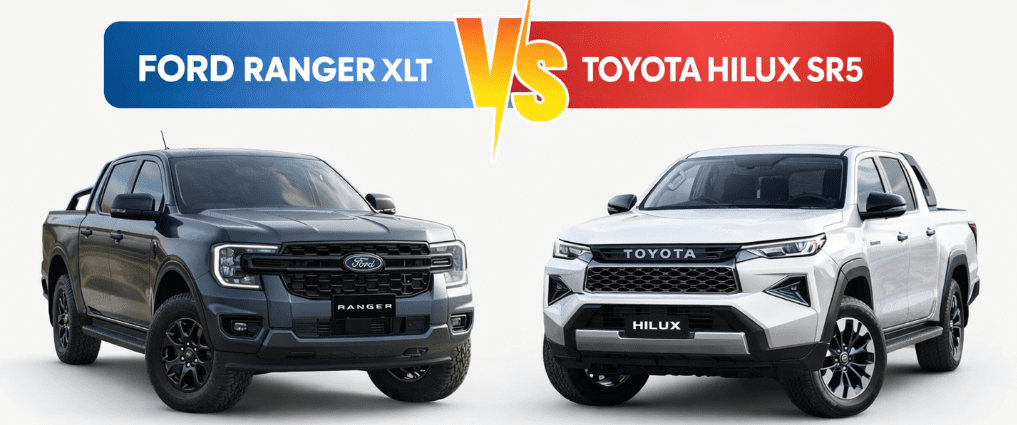
Australia’s love affair with dual-cab utes shows no signs of slowing, and in 2026 the rivalry between the Ford Ranger and Toyota HiLux is stronger than ever. Both models sit at the top of sales charts year after year, appealing to tradies, fleet buyers and everyday drivers who want one vehicle that can do almost everything.
With updates rolling out across both lineups, the mid-spec Ford Ranger XLT and Toyota HiLux SR5 remain the most commonly compared variants. On paper, they are closely matched, but subtle differences in pricing, powertrains, running costs and technology can influence which one makes more sense depending on how you plan to own or finance your next ute.
Pricing and Value for Money
In 2026, pricing remains a key talking point. The Ranger XLT positions itself as a higher-powered offering straight out of the box, while the HiLux SR5 continues Toyota’s reputation for value through reliability and resale strength.
While upfront price differences matter, many buyers also consider long-term affordability through options such as a novated lease or a traditional car loan. These structures can significantly change how monthly costs feel, especially when servicing, fuel and insurance are factored in over time.
Engine and Performance Comparison
The Ford Ranger XLT stands out with its 3.0-litre V6 turbo-diesel engine, delivering strong torque and effortless towing capability. It feels confident under load and is particularly appealing for drivers who tow regularly or travel long distances.
The Toyota HiLux SR5 counters with a smaller four-cylinder turbo-diesel, supported by mild hybrid assistance in automatic variants. While it does not match the Ranger for outright power, it offers better claimed fuel efficiency, which can add up for drivers covering high annual kilometres.
When comparing performance, it often comes down to priorities. The Ranger suits buyers who want power and refinement, while the HiLux appeals to those focused on efficiency and proven durability.
Towing, Payload and Work Capability
Both utes offer a maximum braked towing capacity of 3,500kg, which keeps them competitive for work and recreation. The Ranger benefits from strong payload figures and advanced trailer assistance features, making towing more manageable for less experienced drivers.
Toyota’s latest HiLux increases its gross combined mass, improving payload flexibility while towing heavy loads. This will appeal to fleet operators and tradies who need predictable compliance across different job requirements.
For buyers financing through salary packaging or business structures, understanding payload and towing limits is important when planning long-term vehicle use and repayments.
Technology and Safety
In terms of safety, both vehicles achieve five-star ANCAP ratings and include comprehensive driver assistance systems. Adaptive cruise control, autonomous emergency braking and lane support are standard across both models.
Technology inside the cabin is competitive, with large infotainment screens, smartphone connectivity and digital displays. Toyota offers more standard luxury touches in the SR5, while Ford’s Ranger provides optional technology packs for buyers who want additional features.
For drivers using tools like a repayment calculator, technology inclusions can affect resale value and long-term ownership satisfaction, even if they do not change the sticker price dramatically.
Servicing and Ownership Considerations
Servicing intervals and costs differ noticeably between the two. Ford offers longer service intervals, which can be more convenient for private owners and fleets alike. Toyota requires more frequent servicing, though its widespread dealer network remains a strong advantage, especially in regional Australia.
These factors matter regardless of whether you are buying outright or exploring ownership models such as novated leasing or business finance. Predictable servicing schedules often translate into smoother budgeting over time.
Which One Should You Choose?
Choosing between the 2026 Ford Ranger XLT and Toyota HiLux SR5 is less about which is objectively better and more about which suits your usage.
The Ranger XLT is ideal for drivers who want strong performance, modern technology and relaxed towing capability. The HiLux SR5 remains a favourite for those who value fuel efficiency, long-term reliability and strong resale performance.
Both vehicles continue to justify their popularity, and neither is likely to lose ground in the Australian market anytime soon. The best choice ultimately depends on how you drive, what you tow, and how you plan to finance or package your vehicle over the coming years.
Frequently Asked Questions
What is the main difference between the 2026 Ford Ranger XLT and Toyota HiLux SR5?
The main difference is the engine and overall driving character. The Ford Ranger XLT comes with a more powerful V6 turbo diesel engine that delivers higher torque and smoother performance, especially when towing. The Toyota HiLux SR5 uses a smaller four cylinder turbo diesel engine that focuses more on fuel efficiency and long term reliability. Buyers usually choose based on whether they prioritise power or efficiency.
Which is better for towing, the Ranger XLT or HiLux SR5?
Both vehicles offer a maximum braked towing capacity of 3,500kg, making them equally capable on paper. The Ranger XLT feels more relaxed under heavy loads due to its higher torque output, while the HiLux SR5 benefits from improved gross combined mass figures that allow better payload flexibility when towing. For frequent towing, the Ranger may feel more effortless, while the HiLux suits structured fleet and work setups.
Is the Toyota HiLux SR5 cheaper to own than the Ford Ranger XLT?
Ownership costs depend on usage and servicing preferences. The HiLux SR5 has more frequent service intervals, which can increase maintenance visits over time, but it is known for strong resale value. The Ranger XLT has longer service intervals and competitive capped price servicing, which may suit drivers who want fewer workshop visits. Fuel efficiency also favours the HiLux, particularly for high kilometre drivers.
Are both the Ranger XLT and HiLux SR5 safe vehicles?
Yes. Both vehicles have achieved five star ANCAP safety ratings and include modern driver assistance features such as autonomous emergency braking, adaptive cruise control, lane keeping assistance and blind spot monitoring. Safety performance is very similar between the two, with only small differences in feature availability depending on optional packages.
Which ute is better for everyday driving and comfort?
For everyday driving, the Ford Ranger XLT generally feels more refined due to its stronger engine and relaxed highway performance. The Toyota HiLux SR5 offers a firmer and more traditional ute driving feel, which some drivers prefer for work focused use. Comfort ultimately comes down to personal preference, driving conditions and how often the vehicle is used for long distance travel versus local commuting.
