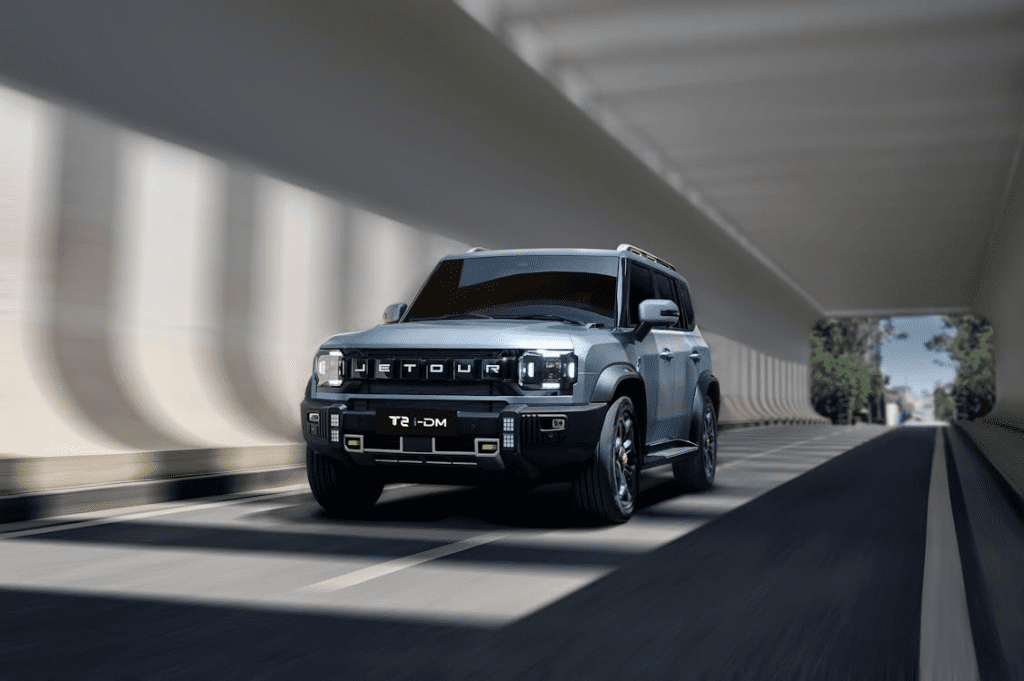
VFACTS data continues to highlight a clear shift in Australian car buying behaviour. In 2026, hybrid and plug-in hybrid vehicles are recording strong year-on-year growth, reflecting changing attitudes around affordability, sustainability, and everyday practicality.
Rather than moving straight from petrol to fully electric vehicles, many Australians are choosing hybrids and PHEVs as a flexible, lower-risk transition. This trend is reshaping the market and influencing how buyers think about both vehicle choice and financing.
Why Hybrid and Plug-In Hybrid Sales Are Accelerating
Australian buying behaviour in 2026 and beyond
Australian buyers are approaching car purchases more cautiously in 2026. Instead of prioritising outright performance or brand loyalty, many are focusing on running costs, long-term value, and how a vehicle fits into daily life.
This shift is reflected in VFACTS hybrid growth, with hybrids increasingly appealing to families, commuters, and regional drivers who want fuel savings without changing driving habits. As a result, hybrid cars Australia 2026 demand remains strong across multiple segments.
Fuel costs, sustainability and urban lifestyle trends
Fuel prices continue to influence purchasing decisions, particularly in metro areas. Hybrids offer immediate reductions in fuel consumption, while plug-in hybrids allow short daily trips to be completed on electric power alone.
Sustainability is also playing a larger role. Many buyers want to reduce emissions but are not yet ready for a fully electric vehicle. This has pushed interest in hybrid vs plug-in hybrid options, especially among urban drivers with predictable commute patterns.
What VFACTS Data Reveals About PHEV Demand
Growth categories and most popular models
VFACTS reporting shows PHEV sales Australia growing fastest in SUV and dual-cab ute segments. These are vehicle categories traditionally dominated by petrol and diesel, making the shift particularly notable.
Manufacturers are expanding plug-in hybrid offerings across popular nameplates, allowing buyers to transition to electrified driving without sacrificing size, practicality, or towing capability.
Why PHEVs appeal to cautious EV adopters
Plug-in hybrids are often viewed as a stepping stone for buyers interested in electric driving but concerned about charging access, range, or long-term resale values.
This flexibility makes PHEVs attractive to drivers who want the benefits of electric driving for short trips while retaining petrol backup for longer journeys. Many of these buyers later explore EV novated lease options once they are more comfortable with full electrification.
How Salary Packaging Influences Hybrid and PHEV Sales
Tax benefits and running cost benefits
Affordability plays a significant role in hybrid and PHEV adoption. Salary packaging can materially change how these vehicles are paid for, particularly for employees leasing through work.
When buyers assess costs using a novated lease calculator, hybrids and PHEVs often appear more affordable than expected. Bundling repayments and eligible running costs can smooth cash flow and reduce after-tax impact.
Where hybrids offer better value than petrol cars
In practical driving conditions, hybrids often deliver better value than petrol cars because fuel savings accumulate quickly, especially for commuters and urban drivers. Servicing patterns can also be more predictable, which supports total cost-of-driving outcomes over time.
This is where many buyers start asking the real question, not just “can I afford it?” but is a novated lease worth it when combined with a hybrid or PHEV. The answer depends on income, usage, and employment setup, but the appeal is that it can make stepping into newer tech feel more manageable.
Hybrid vs PHEV vs EV: What Australian Drivers Now Prefer
Australian preferences are becoming more segmented in 2026. Hybrids appeal to buyers seeking simplicity and immediate savings. PHEVs attract drivers wanting flexibility and partial electrification. EVs suit those ready to commit fully to electric driving and charging infrastructure.
Rather than one option replacing the others, the market is diversifying. This has increased the importance of comparing finance pathways, with many buyers reviewing car finance options alongside leasing to determine what best suits their situation.
What This Means for the Future of Australia’s Car Market
VFACTS trends suggest Australia’s transition away from petrol-only vehicles will continue in stages. Hybrids and plug-in hybrids are no longer niche alternatives. They are now core parts of the market, driven by lifestyle needs, cost pressures, and evolving buyer sentiment.
With ongoing VFACTS hybrid growth, rising PHEV sales Australia, and strong interest in hybrid vs plug-in hybrid comparisons, these powertrains are set to remain central to Australia’s car market throughout 2026 and beyond.
Frequently Asked Questions
What is the difference between a hybrid and a plug-in hybrid?
A hybrid recharges its battery through driving and braking, while a plug-in hybrid can be charged externally and often run short trips on electric power alone.
Are plug-in hybrids a good option if I’m not ready for an EV?
Yes. Many buyers see PHEVs as a low-risk transition, offering electric driving for daily use with petrol backup for longer journeys.
Do hybrids and PHEVs cost more to own than petrol cars?
Not always. While upfront prices can be higher, fuel savings, predictable servicing, and finance structure can reduce overall cost over time.
How does salary packaging affect hybrid and PHEV affordability?
Salary packaging can spread costs more evenly and change the after-tax impact, which can make stepping into newer hybrid or PHEV technology more manageable for some buyers.