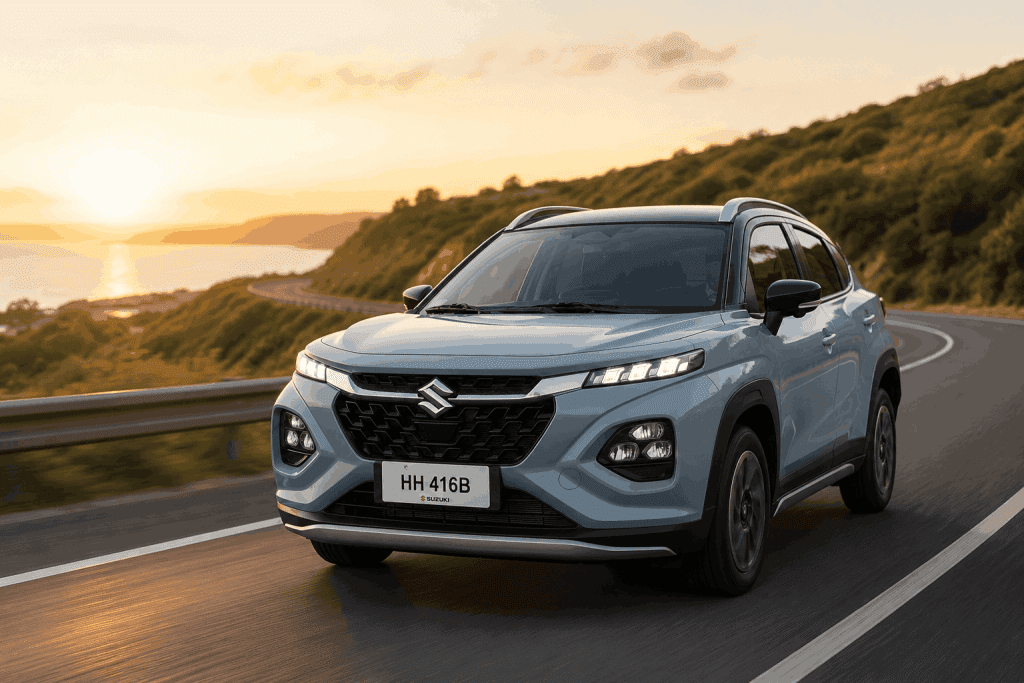
Recent automotive headlines have focused on one clear trend: Suzuki’s sales slide continues.
While that statement is true locally, the full story is more complicated.
Suzuki is currently experiencing two very different realities. In Australia, vehicle deliveries have fallen significantly over the past two years. Globally, however, Suzuki is achieving record sales volumes and expanding production capacity to meet growing demand.
For buyers considering a Suzuki, the situation raises an interesting question: is the brand struggling, or simply transitioning into its next chapter?
Suzuki’s Local Sales Have Fallen Sharply
Suzuki’s local performance has been under pressure.
In 2025, Australian sales declined by almost 28%, with total deliveries falling from more than 21,000 vehicles to approximately 15,000.
The trend has continued into 2026, with year-to-date sales remaining well behind previous levels.
Several factors have contributed to the decline:
- supply interruptions
- delivery delays
- increased competition
- changing consumer preferences
One of the biggest challenges came from disruptions affecting the Jimny, which remains one of Suzuki’s most popular vehicles.
Given the Jimny accounts for a significant share of Suzuki’s local sales, even temporary disruptions had a noticeable impact on overall performance.

Chinese Brands Are Changing the Market
The automotive landscape is becoming increasingly competitive.
Affordable Chinese brands are expanding rapidly across multiple segments, offering:
- more technology
- hybrid options
- electric vehicles
- competitive pricing
This is creating pressure for traditional brands that built their reputation around affordable small cars.
Many buyers who may previously have considered a small hatchback or compact SUV are now comparing a much wider range of vehicle options.
A Different Story Globally
While local sales have struggled, Suzuki’s global business is performing exceptionally well.
The company recently recorded approximately 3.55 million vehicle sales worldwide, overtaking several larger competitors and strengthening its position in key international markets.
Much of this success comes from India, where Suzuki continues to dominate through Maruti Suzuki.
The company now controls around 40% of the Indian vehicle market and continues expanding production to meet growing demand.
This means Suzuki’s challenges are largely regional rather than global.
The Brand’s Recovery Plan
Suzuki is not standing still.
The company is actively refreshing its vehicle lineup and introducing new technology designed to better align with changing buyer expectations.
Key initiatives include:
The Return of the Jimny
The updated Jimny has returned with revised safety and technology features designed to restore momentum.
Hybrid Expansion
Suzuki has expanded its hybrid offering, including the introduction of the Vitara Turbo Hybrid.
As fuel prices and ownership costs remain important considerations, hybrid vehicles continue attracting buyers seeking improved efficiency without fully transitioning to an EV.
Suzuki’s First Electric Vehicle
Perhaps the most significant development is the arrival of the e Vitara.
This will become Suzuki’s first battery-electric vehicle and represents a major milestone for the brand.
The launch places Suzuki alongside many manufacturers now investing heavily in electrification.
Why Buyers Are Paying More Attention to Running Costs
The vehicle market is changing.
Today’s buyers are often looking beyond purchase price alone and considering:
- fuel costs
- servicing expenses
- insurance
- resale value
- long-term ownership costs
This is particularly true for buyers comparing petrol, hybrid and electric vehicles.
Many consumers now choose to calculate your savings before making a final decision on their next vehicle.
Hybrid vs EV: The Next Decision for Suzuki Buyers
Suzuki’s growing hybrid lineup and upcoming EV launch reflect a broader industry trend.
More buyers are comparing:
| Consideration | Hybrid Vehicle | Electric Vehicle |
|---|---|---|
| Fuel Costs | Lower than petrol | Charging instead of fuel |
| Servicing | Similar to traditional vehicles | Often reduced maintenance |
| Driving Range | Familiar refuelling experience | Depends on charging network |
| Emissions | Reduced | Zero tailpipe emissions |
| Ownership Costs | Can vary | Increasingly competitive |
For buyers exploring electric vehicles, understanding an EV novated lease can provide additional context around ownership costs.
What Suzuki’s Situation Tells Us About the Industry
Suzuki’s local sales decline isn’t occurring in isolation.
Across the industry, manufacturers are adapting to:
- increasing EV adoption
- changing consumer preferences
- growing Chinese competition
- rising technology expectations
- evolving ownership models
The brands that successfully balance affordability, technology and efficiency are likely to perform best over the coming years.
What This Means for Buyers
If you’re considering a Suzuki, the recent sales figures don’t necessarily tell the whole story.
The company continues investing in:
- hybrids
- electric vehicles
- updated technology
- refreshed product lines
For buyers, the more important question is whether a particular vehicle suits your needs, budget and ownership goals.
Many drivers now compare:
- purchase price
- running costs
- fuel or charging expenses
- financing options
- long-term affordability
before making a decision.
Understanding how a novated lease works can also help when comparing different ownership structures.
Thinking About Your Next Vehicle?
Whether you’re considering a Suzuki, a hybrid or an electric vehicle, understanding total ownership costs is an important first step.
You can run your numbers to compare vehicle costs, lease terms and potential savings based on your own circumstances.
You may also find these guides useful:
Frequently Asked Questions
Is Suzuki struggling globally?
No. While Australian sales have fallen, Suzuki continues to achieve record global sales volumes driven largely by strong performance in India.
What is Suzuki's first electric vehicle?
The e Vitara will become Suzuki's first battery-electric vehicle and marks the brand's entry into the EV market.
Are hybrid vehicles becoming more popular?
Yes. Many buyers are choosing hybrids as a way to reduce fuel consumption while maintaining the convenience of traditional refuelling.
Should I compare ownership costs before buying a car?
Yes. Comparing running costs, fuel expenses, servicing and financing options can provide a clearer picture of long-term affordability.